

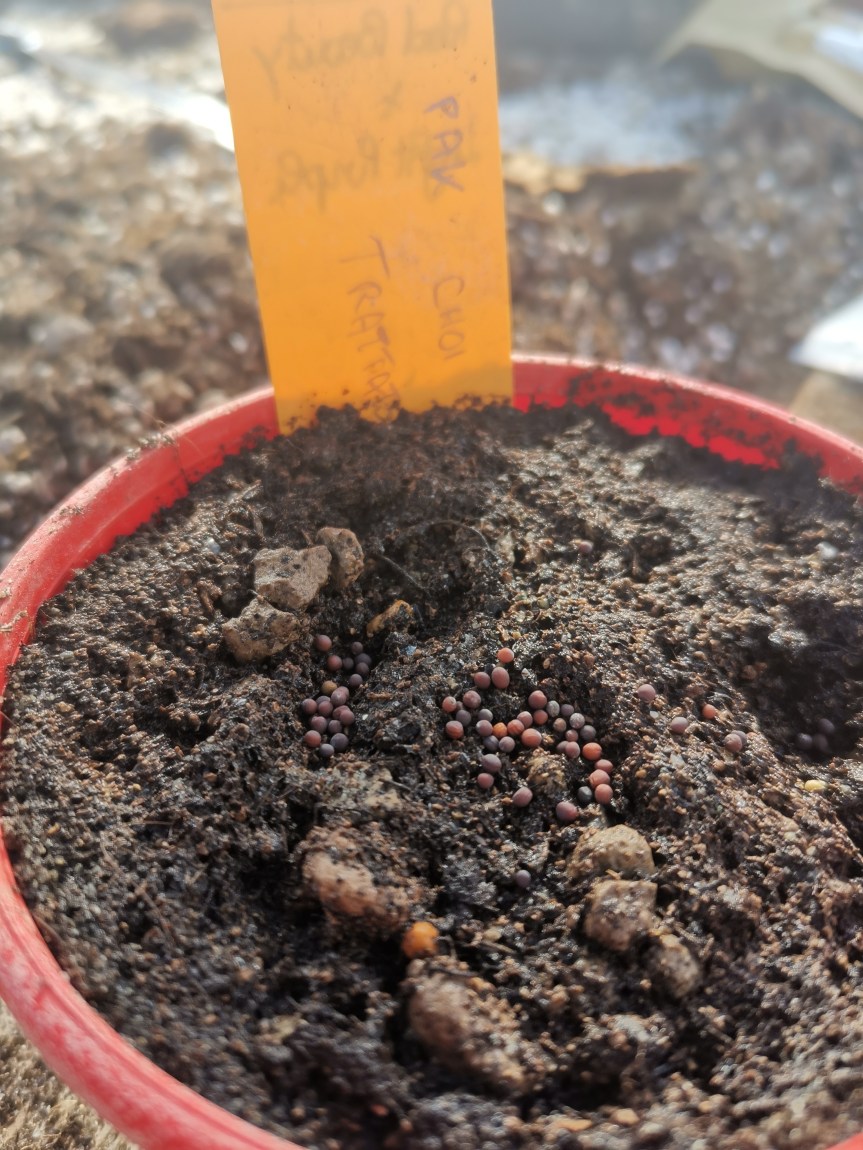
In previsione di possibili collaborazioni con l'Asia e in particolare con la Cina, si apre PakFertiltomix, un progetto che prevede l'applicazione di Fertiltomix dell'azienda Waterdust su verdure asiatiche. Ricordo che Fertiltomix è un derivato dell'acqua di mare con azione biostimolante/fertilizzante, che garantisce inoltre l'uso dell'acqua del mare riciclata.I risultati sono ottimi e l'interesse mondiale sempre … Continua a leggere Progetto PakFertiltomix in collaborazione con Waterdust
I cactus e le possibili applicazioni

I cactus possono avere diverse applicazioni dal punto di vista medicinale, industriale, edibile, per la produzione di liquori, come fonte di biostimolanti e microrganismi. Importanti dal punto di vista ornamentale, sono importanti per il giardino "secco" e lo xeriscaping. In questo articolo il Dr. Prisa vi spiega il suo lavoro come membro mondiale delle IUCN … Continua a leggere I cactus e le possibili applicazioni
Substrato a base zeolitite a chabasite (5%, 10%, 20%) con riduzione della concimazione e dell’irrigazione, nella coltivazione di fragole rifiorenti.

Progetto Ortozeo: Utilizzo di zeolitite a chabasite nella coltivazione di specie ortive In collaborazione con l'azienda Cave Pian di Rena e Zeolite-italia fragole #zeolitite #chabasite #irrigazione #fertilizzanti
Utilizzo di substrato (torba free) a base di fibra di cocco nella coltivazione di origano
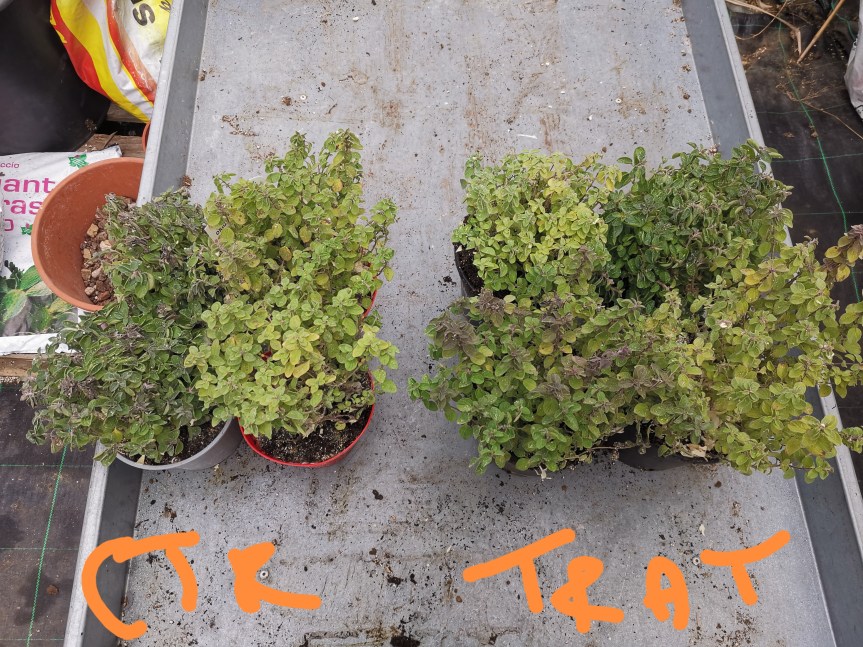
Progetto in collaborazione con l'azienda Cocospezza' e Zeolite-italia Risultati ottenuti nelle tesi trattate: maggior sviluppo vegetativo maggior sviluppo radicale maggior numero di rami maggior numero di foglie riduzione significativa della concimazione (20%) riduzione dell'acqua d'irrigazione peatfree #torba #aromatiche #origano #cocco
Chlorella vulgaris improves growth of Abromeitiella scapigera, Abromeitiella brevifolia and Abromeitiella chloranta and reduces root attack by nematodes

Domenico Prisa * CREA Research Centre for Vegetable and Ornamental Crops, Council for Agricultural Research and Economics, Via dei Fiori 8, 51012 Pescia, PT, Italy. Review Article GSC Advanced Research and Reviews, 2024, 19(01), 170–177. Article DOI: 10.30574/gscarr.2024.19.1.0155 DOI url: https://doi.org/10.30574/gscarr.2024.19.1.0155 Publication history: Received on 08 March 2024; revised on 21 April 2024; accepted on 24 April 2024 Abstract: … Continua a leggere Chlorella vulgaris improves growth of Abromeitiella scapigera, Abromeitiella brevifolia and Abromeitiella chloranta and reduces root attack by nematodes
Utilizzo di microrganismi nelle piante di Zinnia elegans

Articolo: Zeoliti, una potenziale strategia per la soluzione dei correnti problemi ambientali e un’applicazione sostenibile per il miglioramento delle coltivazioni e la protezione delle piante
Zeolites: A potential strategy for the solution of current environmental problems and a sustainable application for crop improvement and plant protection Domenico Prisa * Council for Agricultural Research and Economics, Research Centre for Vegetables and Ornamental Crops, Via dei Fiori, 8, 51012 Pescia (PT), Italy. GSC Advanced Research and Reviews, 2023, 17(01), 011–022 Article DOI: 10.30574/gscarr.2023.17.1.0388 DOI url: https://doi.org/10.30574/gscarr.2023.17.1.0388 … Continua a leggere Articolo: Zeoliti, una potenziale strategia per la soluzione dei correnti problemi ambientali e un’applicazione sostenibile per il miglioramento delle coltivazioni e la protezione delle piante
Research: Plant Growth-Promoting Rhizobacteria and Chabazite Zeolite in the growth stimulation and protection of Sedum palmeri and Sedum sieboldii from aphid and red spider mite attack

Authors: Domenico Prisa 1, * and Antonio Oliveri 2 1 CREA Research Centre for Vegetable and Ornamental Crops, Council for Agricultural Research and Economics, Via dei Fiori 8, 51012 Pescia, PT, Italy. 2 Zeolite-Italia, Via Regina Elena 18, 89013 Gioia Tauro, RC, Italy. Research Article World Journal of Advanced Research and Reviews, 2023, 19(03), 1264–1273 Article DOI: 10.30574/wjarr.2023.19.3.1931 DOI url: https://doi.org/10.30574/wjarr.2023.19.3.1931 Publication history: … Continua a leggere Research: Plant Growth-Promoting Rhizobacteria and Chabazite Zeolite in the growth stimulation and protection of Sedum palmeri and Sedum sieboldii from aphid and red spider mite attack
Utilizzo dei minerali dell’acqua di mare ottenuti tramite un processo innovativo addizionati di argento nella coltivazione e protezione di piante di pomodoro

Use of marine minerals obtained through an innovative process with added silver for the cultivation and protection of Solanum lycopersicum Author: Domenico Prisa * CREA Research Centre for Vegetable and Ornamental Crops, Council for Agricultural Research and Economics, Via dei Fiori 8, 51012 Pescia, PT, Italy. Research Article GSC Advanced Research and Reviews, 2023, 16(03), 086–093. … Continua a leggere Utilizzo dei minerali dell’acqua di mare ottenuti tramite un processo innovativo addizionati di argento nella coltivazione e protezione di piante di pomodoro
Alternative substrates based on green compost in Agave victoria-reginae and Agave striata minima
Author: Domenico Prisa * CREA Research Centre for Vegetable and Ornamental Crops, Council for Agricultural Research and Economics, Via dei Fiori 8, 51012 Pescia, PT, Italy. Research Article GSC Biological and Pharmaceutical Sciences, 2023, 24(03), 022–027. Article DOI: 10.30574/gscbps.2023.24.3.0357 DOI url: https://doi.org/10.30574/gscbps.2023.24.3.0357 Publication history: Received on 20 July 2023; revised on 02 September 2023; accepted on 04 September 2023 … Continua a leggere Alternative substrates based on green compost in Agave victoria-reginae and Agave striata minima
Microbial Biofertilisers in Plant Production and Resistance: A Review

by Domenico Prisa 1,*, Roberto Fresco 2 and Damiano Spagnuolo 3 1CREA, Research Centre for Vegetable and Ornamental Crops, Via Dei Fiori 8, 51012 Pescia, Italy 2CREA, Research Centre for Engineering and Agri-Food Transformation, Council for Agricultural Research and Economics, Via della Pascolare 16, 00016 Monterotondo, Italy 3Department of Chemical, Biological, Pharmaceutical and Environmental Sciences, University of Messina, Salita Sperone … Continua a leggere Microbial Biofertilisers in Plant Production and Resistance: A Review
Study and evaluation of natural zeolite and dried zeolite for the cultivation of friggitello pepper

Domenico Prisa * CREA Research Centre for Vegetable and Ornamental Crops, Council for Agricultural Research and Economics, Via dei Fiori 8, 51012 Pescia, PT, Italy. Research Article World Journal of Advanced Research and Reviews, 2023, 19(02), 632–641 Article DOI: 10.30574/wjarr.2023.19.2.1626 DOI url: https://doi.org/10.30574/wjarr.2023.19.2.1626 Publication history: Received on 01 July 2023; revised on 10 August 2023; accepted on 12 August … Continua a leggere Study and evaluation of natural zeolite and dried zeolite for the cultivation of friggitello pepper
Chabazitic zeolite in the cultivation and spray protection of Vitis vinifera

Domenico Prisa *CREA Research Centre for Vegetable and Ornamental Crops, Council for Agricultural Research and Economics, Via dei Fiori 8, 51012 Pescia, PT, Italy. Research ArticleInternational Journal of Science and Research Archive, 2023, 09(02), 630–638.Article DOI: 10.30574/ijsra.2023.9.2.0637DOI url: https://doi.org/10.30574/ijsra.2023.9.2.0637Publication history: Received on 25 June 2023; revised on 05 August 2023; accepted on 08 August 2023 Abstract: Research objective: This article aims to … Continua a leggere Chabazitic zeolite in the cultivation and spray protection of Vitis vinifera
Trichoderma strains application in promoting rooting of Schlumbergera cactus

Authors: Domenico Prisa 1, * and Damiano Spagnuolo 2 1 CREA Research Centre for Vegetable and Ornamental Crops, Council for Agricultural Research and Economics, Via dei Fiori 8, 51012 Pescia, PT, Italy. 2 Department of Chemical, Biological, Pharmaceutical and Environmental Sciences, University of Messina, Salita Sperone 31, 98166 Messina, Italy. Research Article World Journal of Biology Pharmacy and Health Sciences, … Continua a leggere Trichoderma strains application in promoting rooting of Schlumbergera cactus
Alternative substrates in the cultivation of ornamental and vegetable plants

Autori: Domenico Prisa 1, * and Stefano Caro 2 1 CREA Research Centre for Vegetable and Ornamental Crops, Council for Agricultural Research and Economics, Via dei Fiori 8, 51012 Pescia, PT, Italy. 2 Department of Bioproducts and Biosystems, Aalto University, School of Chemical Engineering, Vuorimiehentie 1 00076, Aalto, Espoo Finland. Research Article GSC Biological and Pharmaceutical Sciences, 2023, 24(01), 209–220. … Continua a leggere Alternative substrates in the cultivation of ornamental and vegetable plants
Minerali e acqua del mare utilizzabili nella coltivazione e irrigazione delle piante ottenuti mediante un processo innovativo

Ricerche Dr. Domenico Prisa Esperimenti su piante trattate con minerali estratti dal mare Il professor Hou Tian Zhen, capo del Dipartimento di Fisiologia e Biochimica degli Alberi pressol'Accademia di Scienze Forestali dello Xinjiang nella Repubblica Popolare Cinese, ha guidato unteam di ricercatori che ha valutato l'uso dei minerali marini in tre esperimenti separati [5]. Nel … Continua a leggere Minerali e acqua del mare utilizzabili nella coltivazione e irrigazione delle piante ottenuti mediante un processo innovativo
Article: Recycled water use with added microbial consortia in the cultivation of aromatic plants

Autori: Domenico Prisa 1, * and Alessandra Benati 2 1 CREA Research Centre for Vegetable and Ornamental Crops, Council for Agricultural Research and Economics, Via dei Fiori 8, 51012 Pescia, PT, Italy. 2 Associazione P.A.C.M.E. Le Tribù della Terra ONG. Research Article GSC Advanced Research and Reviews, 2023, 15(02), 133–141. Article DOI: 10.30574/gscarr.2023.15.2.0162 DOI url: https://doi.org/10.30574/gscarr.2023.15.2.0162 Publication history: Received on 17 April 2023; … Continua a leggere Article: Recycled water use with added microbial consortia in the cultivation of aromatic plants
The cultivation of Melocactus

Autore: Domenico Prisa CREA Research Centre for Vegetable and Ornamental Crops, Council for Agricultural Research and Economics, Via dei Fiori 8, 51012 Pescia, PT, Italy. Review Article GSC Biological and Pharmaceutical Sciences, 2023, 23(02), 085–090. Article DOI: 10.30574/gscbps.2023.23.2.0176 DOI url: https://doi.org/10.30574/gscbps.2023.23.2.0176 Publication history: Received on 20 March 2023; revised on 01 May 2023; accepted on 04 May 2023\ … Continua a leggere The cultivation of Melocactus
Biology, abiotic factors and biotechnology influencing flower colour

Author: Domenico Prisa * CREA Research Centre for Vegetable and Ornamental Crops, Council for Agricultural Research and Economics, Via dei Fiori 8, 51012 Pescia, PT, Italy. Review Article Magna Scientia Advanced Biology and Pharmacy, 2023, 08(02), 034–041 Article DOI: 10.30574/msabp.2023.8.2.0030 DOI url: https://doi.org/10.30574/msabp.2023.8.2.0030 Publication history: Received on 10 February 2023; revised on 29 March 2023; accepted on 01 April … Continua a leggere Biology, abiotic factors and biotechnology influencing flower colour
Role of microorganisms in communication between soil and plants
Role of microorganisms in communication between soil and plants Domenico Prisa, CREA Research Centre for Vegetable and Ornamental Crops, Council for Agricultural Research and Economics, Via dei Fiori 8, 51012 Pescia, PT, Italy Abstract Microbial population in the rhizosphere establishes a number of important interactions with plants, whose study is crucial in perspective of sustainable agricultural … Continua a leggere Role of microorganisms in communication between soil and plants
Research article: Biostimulation activity of minerals obtained from an innovative seawater extraction process in the cultivation of vegetable plants

Domenico Prisa * CREA Research Centre for Vegetable and Ornamental Crops, Council for Agricultural Research and Economics, Via dei iori 8, 51012 Pescia, PT, Italy. Research Article GSC Biological and Pharmaceutical Sciences, 2022, 21(02), 186-196. Article DOI: 10.30574/gscbps.2022.21.2.0446 DOI url: https://doi.org/10.30574/gscbps.2022.21.2.0446 Publication history: Received on 12 October 2022; revised on 16 November 2022; accepted on 19 November 2022 Abstract: … Continua a leggere Research article: Biostimulation activity of minerals obtained from an innovative seawater extraction process in the cultivation of vegetable plants
Processo microbico per la trasformazione in compost di scarti di conceria per produzione di substrati di coltivazione in piante ornamentali

Ricerca di: Domenico Prisa e Girolamo Centomo Research Article GSC Advanced Research and Reviews, 2022, 12(01), 135–144. Article DOI: 10.30574/gscarr.2022.12.1.0197 DOI url: https://doi.org/10.30574/gscarr.2022.12.1.0197 Publication history: Received on 21 June 2022; revised on 26 July 2022; accepted on 28 July 2022 Abstract: Research goal: The article presents research results that aim to highlight microbial activity in the composting process of waste … Continua a leggere Processo microbico per la trasformazione in compost di scarti di conceria per produzione di substrati di coltivazione in piante ornamentali
Glomus mossae and Glomus intraradices in the rooting and essential oil production of aromatic succulent plants Plectranthus amboinicus

Autori: Prisa D. (2022). Science International, 34(1), 41-44 Link Articolo: http://www.sci-int.com/search
Article: Zeolites Encapsulated with Organic Matrices in Vegetable and Ornamental Plants Fertilization
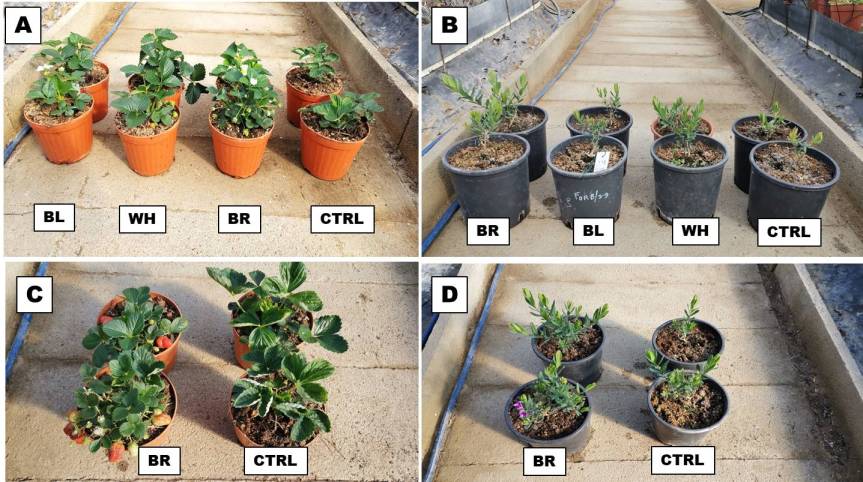
Domenico Prisa* CREA Research Centre for Vegetable and Ornamental Crops, Council for Agricultural Research and Economics, Via dei Fiori 8, 51012 Pescia, PT, Italy Int.J.Curr.Microbiol.App.Sci.2021.10(6): 415-425 DOI: https://doi.org/10.20546/ijcmas.2021.1006.044 Abstract: The aim of this research was to evaluate the fertilizing capacity of an innovative zeolite product, characterised by an encapsulated structure with an organic matrix on vegetable … Continua a leggere Article: Zeolites Encapsulated with Organic Matrices in Vegetable and Ornamental Plants Fertilization
Le piante grasse più longeve del mondo: maestre di tempo e resilienza
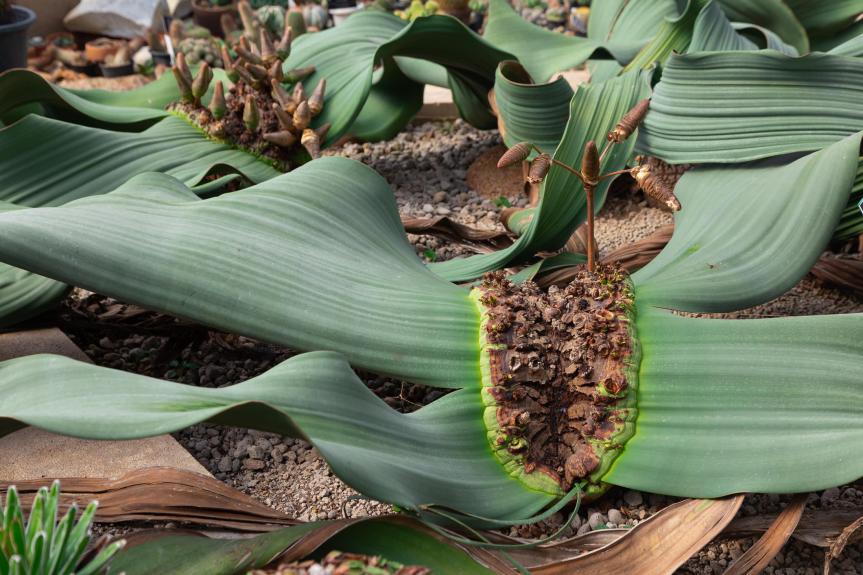
Quando pensiamo alle piante grasse, spesso le immaginiamo piccole, decorative e “facili”. Ma la realtà è molto più sorprendente. Alcune piante grasse sono tra gli organismi vegetali più longevi del pianeta, capaci di vivere decine, centinaia e in alcuni casi persino oltre mille anni. Vere testimoni del tempo, silenziose ma potentissime. Il caso più famoso … Continua a leggere Le piante grasse più longeve del mondo: maestre di tempo e resilienza
Succulente che cambiano colore con stress e sole: quando la pianta “si difende”
Uno dei fenomeni più affascinanti nel mondo delle piante grasse è la capacità di molte succulente di cambiare colore in risposta all’ambiente. Foglie che da verdi diventano rosse, viola, arancioni o rosate non sono un capriccio estetico, ma il risultato di un preciso meccanismo di adattamento. In altre parole: la pianta non soffre soltanto… reagisce. … Continua a leggere Succulente che cambiano colore con stress e sole: quando la pianta “si difende”
Evoluzione delle succulente e delle cactacee: una storia di adattamento estremo
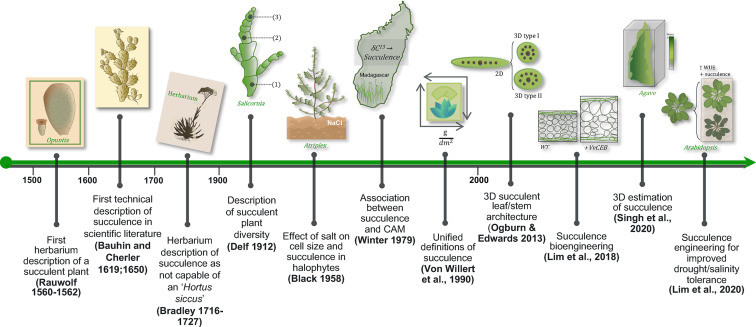
Le succulente e le cactacee sono il risultato di milioni di anni di evoluzione, una lunga storia fatta di adattamenti ingegnosi a condizioni ambientali difficili. Queste piante non sono “strane” per caso: ogni forma, ogni tessuto carnoso, ogni spina è il frutto di una risposta precisa a stress come siccità, caldo, suoli poveri e cambiamenti … Continua a leggere Evoluzione delle succulente e delle cactacee: una storia di adattamento estremo
I migliori vasi per cactus e succulente: la scelta che fa la differenza
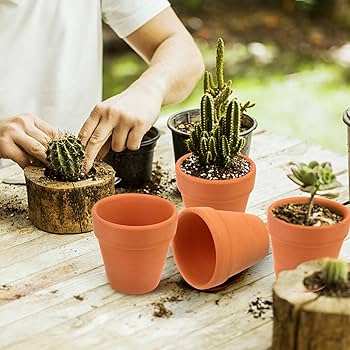
Quando si parla di cactus e succulente, spesso ci si concentra su luce e annaffiature, ma c’è un elemento fondamentale e spesso sottovalutato: il vaso. Scegliere il vaso giusto non è una questione estetica, ma una vera e propria strategia di sopravvivenza per queste piante adattate a condizioni estreme. Il re indiscusso: la terracotta I … Continua a leggere I migliori vasi per cactus e succulente: la scelta che fa la differenza
Il miglior pesticida è una pianta sana
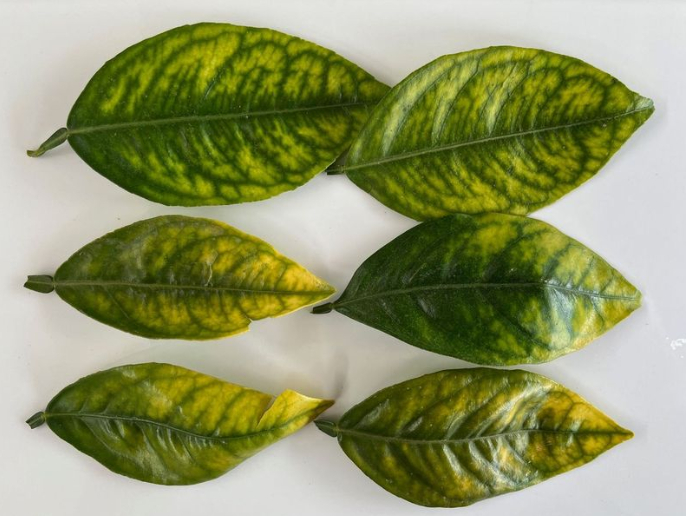
Quando parliamo di difesa delle colture, la prima cosa che viene in mente è quasi sempre un prodotto. Un trattamento. Un intervento da fare quando il problema è già visibile. Eppure, in agricoltura c’è una verità semplice che spesso dimentichiamo: il miglior pesticida è una pianta sana. Una pianta equilibrata, ben nutrita e inserita in … Continua a leggere Il miglior pesticida è una pianta sana
I microrganismi come alleati invisibili
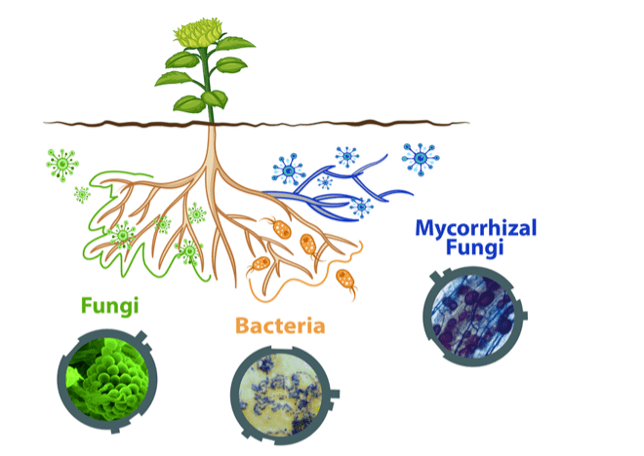
Quando pensiamo all’agricoltura, immaginiamo piante, campi, foglie e frutti. Quasi nessuno, però, pensa a ciò che non si vede. Eppure, sotto i nostri piedi, lavora ogni giorno l’alleato più importante che abbiamo: i microrganismi del suolo. Batteri, funghi, attinomiceti e altri organismi microscopici formano una rete complessa e straordinaria che rende possibile la vita delle … Continua a leggere I microrganismi come alleati invisibili
Cactus che fioriscono solo di notte
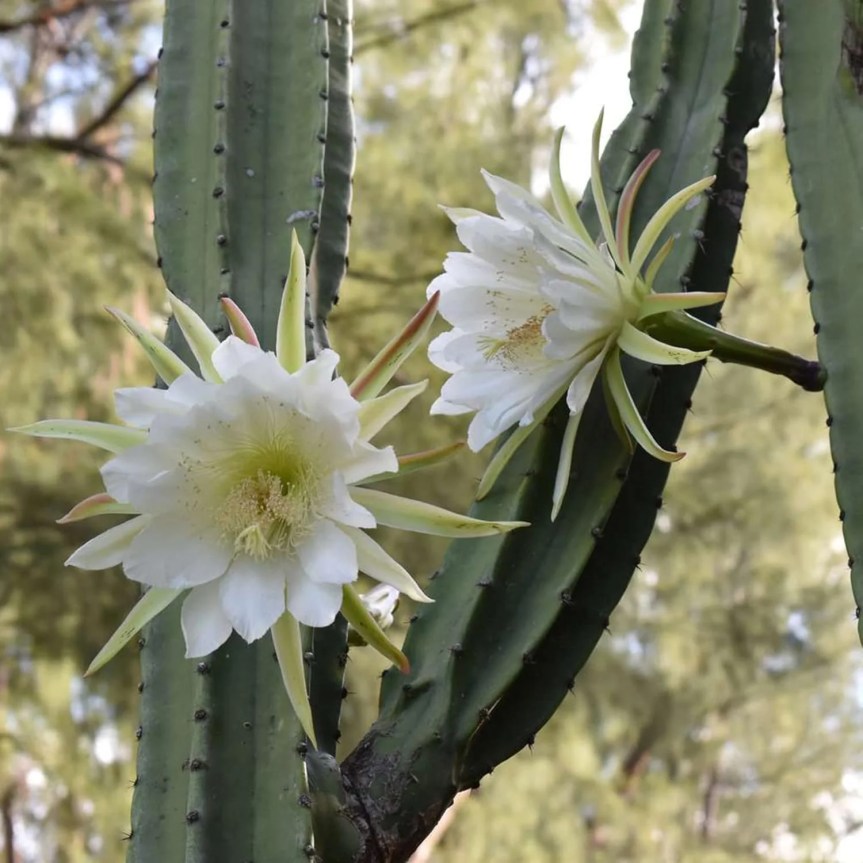
Alcuni cactus custodiscono uno dei fenomeni più affascinanti del mondo vegetale: fioriscono solo di notte. Nessun sole, nessun pubblico rumoroso. Solo il silenzio, l’aria fresca e una fioritura spettacolare che dura poche ore. È un evento raro, intenso e irripetibile, che spesso chi lo vive ricorda per tutta la vita. Tra i più celebri ci … Continua a leggere Cactus che fioriscono solo di notte
Perché le succulente “scoppiano” se annaffiate troppo
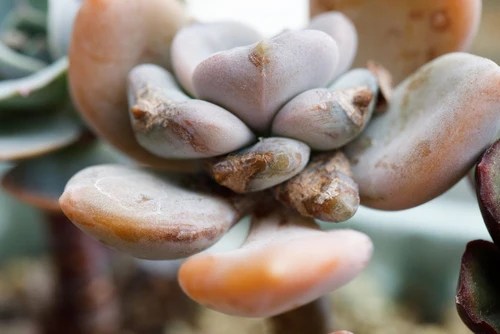
Uno degli errori più comuni con le piante succulente è pensare che “un po’ d’acqua in più non faccia male”. In realtà, le succulente non muoiono per sete, ma per eccesso d’acqua. E quando l’acqua è troppa, può accadere qualcosa di sorprendente: le foglie si gonfiano, diventano traslucide e letteralmente “scoppiano”. Ma cosa succede davvero? … Continua a leggere Perché le succulente “scoppiano” se annaffiate troppo
🎥 Il primo trattamento da fare non è sulle foglie, ma nel suolo
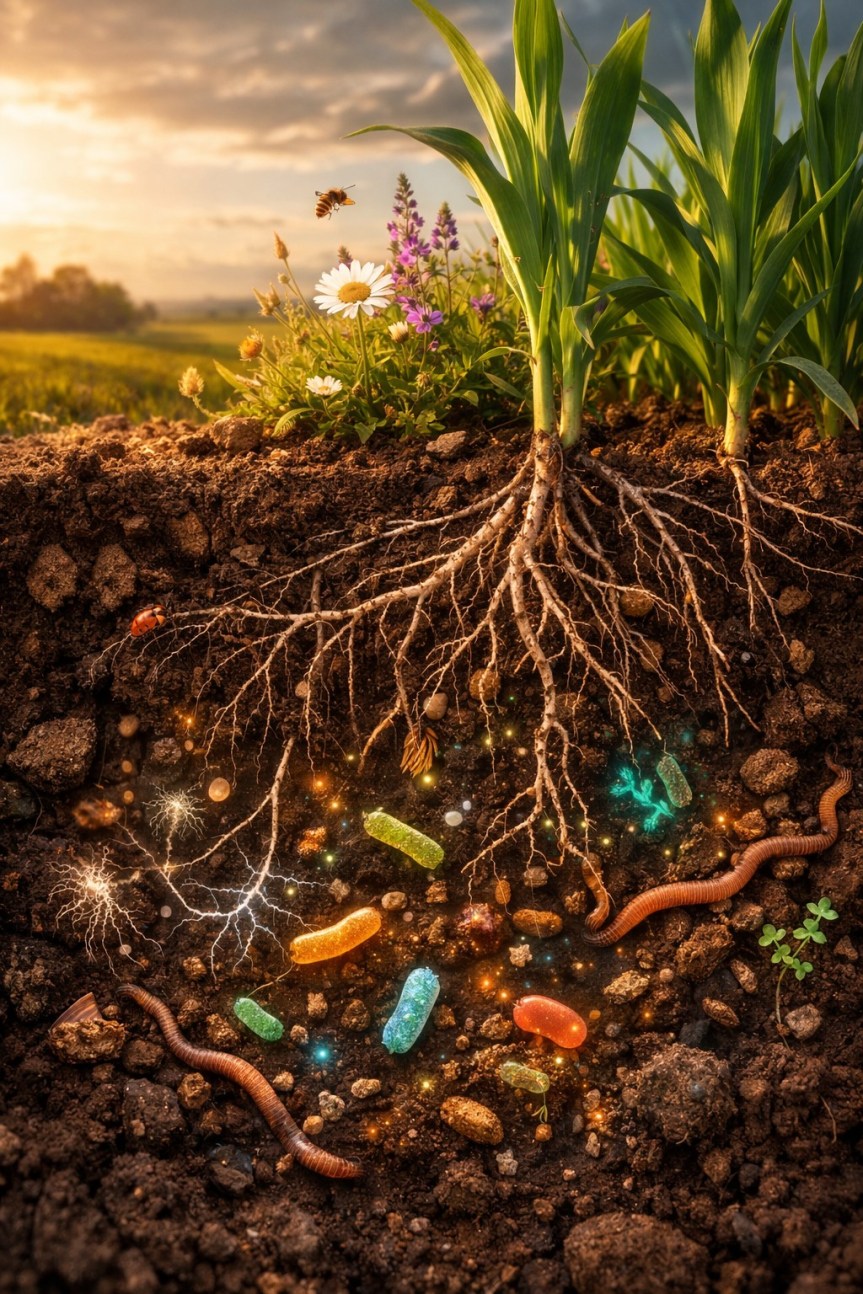
Quando una pianta sta male, la prima reazione è quasi sempre la stessa:👉 guardare le foglie👉 pensare a un trattamento👉 spruzzare qualcosa È comprensibile. Le foglie sono visibili, immediate, “parlano” più di tutto il resto.Ma nella maggior parte dei casi il problema non nasce sulle foglie.Nasce molto prima, e molto più in basso: nel suolo. … Continua a leggere 🎥 Il primo trattamento da fare non è sulle foglie, ma nel suolo
🌿 I cactus non sono piante del deserto

(spoiler: molti vengono da foreste tropicali 🌴) Quando pensiamo ai cactus, l’immagine che ci viene subito in mente è quella di un paesaggio desertico: sole implacabile, sabbia infinita e piante panciute con spine affilate. Certo, molte specie di cactus sono perfettamente adattate ai deserti, con fusti succulenti in grado di immagazzinare acqua e spine che … Continua a leggere 🌿 I cactus non sono piante del deserto
Cactus e Succulente: il loro ruolo nell’era del cambiamento climatico

In un mondo in cui il clima sta cambiando rapidamente ‒ con temperature medie globali in aumento e periodi di siccità sempre più lunghi in molte regioni ‒ alcune piante emergono come simboli viventi di resistenza e adattamento. Tra queste, cactus e piante succulente occupano un posto speciale: non solo sono affascinanti per la loro … Continua a leggere Cactus e Succulente: il loro ruolo nell’era del cambiamento climatico
Relazioni tra Piante e Microrganismi: un’intesa che nutre la vita

Le piante non sono organismi isolati: vivono in stretta connessione con comunità complesse di batteri, funghi e altri microrganismi presenti nel suolo e sulle loro superfici. Queste relazioni, sviluppatesi nel corso di centinaia di milioni di anni, sono fondamentali per la salute delle piante e per la fertilità degli ecosistemi agricoli e naturali. Nel suolo, … Continua a leggere Relazioni tra Piante e Microrganismi: un’intesa che nutre la vita
I microrganismi EM
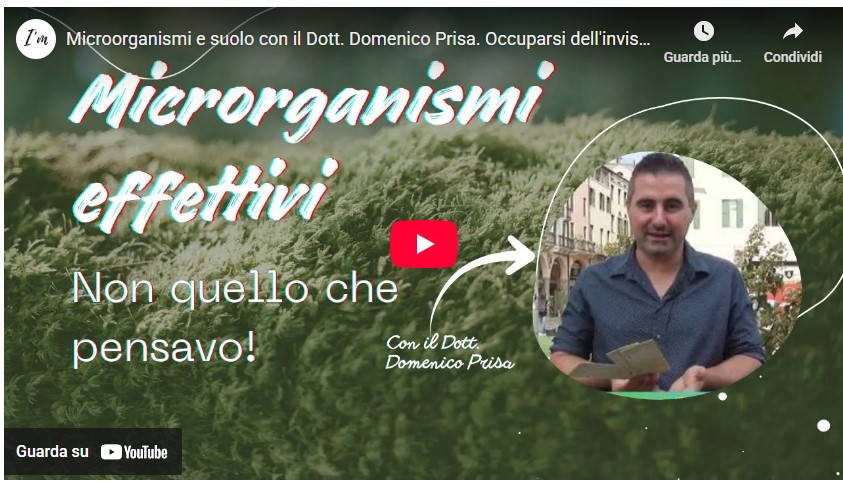
Ho avuto il piacere di essere intervistato su un tema che mi sta particolarmente a cuore: l’uso dei microrganismi effettivi in agricoltura. Durante l’intervista abbiamo parlato delle enormi potenzialità di batteri e funghi benefici come alleati naturali per migliorare la fertilità del suolo, rafforzare le piante e rendere l’agricoltura più sostenibile e resiliente 🌍 I … Continua a leggere I microrganismi EM
Pubblicazione Scopus: Eco-Friendly Antifouling Coatings Based on Macroalgal Extracts from Ulva ohnoi and Asparagopsis taxiformis
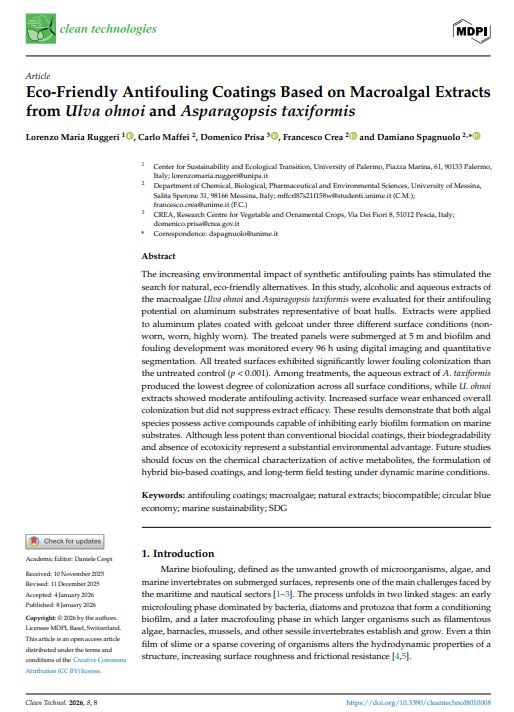
The increasing environmental impact of synthetic antifouling paints has stimulated the search for natural, eco-friendly alternatives. In this study, alcoholic and aqueous extracts of the macroalgae Ulva ohnoi and Asparagopsis taxiformis were evaluated for their antifouling potential on aluminum substrates representative of boat hulls. Extracts were applied to aluminum plates coated with gelcoat under three different surface conditions (non-worn, worn, highly worn). The treated panels were submerged at 5 m and biofilm and fouling development was monitored every 96 h using digital imaging and quantitative segmentation. All treated surfaces exhibited significantly lower fouling colonization than the untreated control (p < 0.001). Among treatments, the aqueous extract of A. taxiformis produced the lowest degree of colonization across all surface conditions, while U. ohnoi extracts showed moderate antifouling activity. Increased surface wear enhanced overall colonization but did not suppress extract efficacy. These results demonstrate that both algal species possess active compounds capable of inhibiting early biofilm formation on marine substrates. Although less potent than conventional biocidal coatings, their biodegradability and absence of ecotoxicity represent a substantial environmental advantage. Future studies should focus on the chemical characterization of active metabolites, the formulation of hybrid bio-based coatings, and long-term field testing under dynamic marine conditions.
Pubblicazione Scopus: Utilization of vegetable extracts for biostimulation and enhancement ofmedicinal properties in Aloe vera cultivation
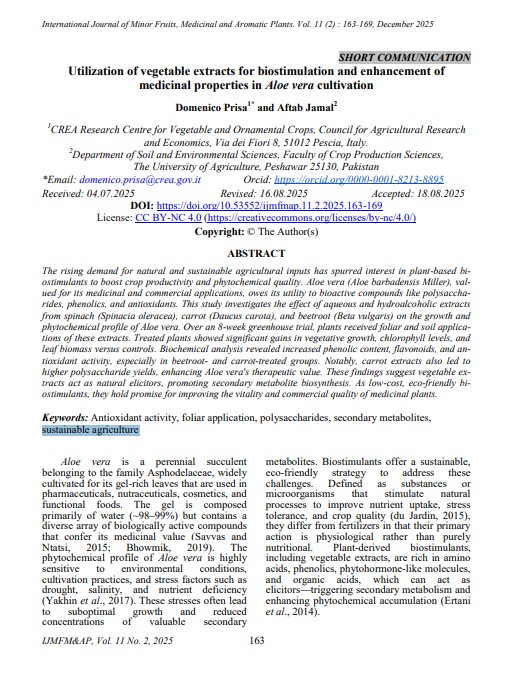
The rising demand for natural and sustainable agricultural inputs has spurred interest in plant-based biostimulants to boost crop productivity and phytochemical quality. Aloe vera (Aloe barbadensis Miller), valued for its medicinal and commercial applications, owes its utility to bioactive compounds like polysaccharides, phenolics, and antioxidants. This study investigates the effect of aqueous and hydroalcoholic extracts from spinach (Spinacia oleracea), carrot (Daucus carota), and beetroot (Beta vulgaris) on the growth and phytochemical profile of Aloe vera. Over an 8-week greenhouse trial, plants received foliar and soil applications of these extracts. Treated plants showed significant gains in vegetative growth, chlorophyll levels, and leaf biomass versus controls. Biochemical analysis revealed increased phenolic content, flavonoids, and antioxidant activity, especially in beetroot- and carrot-treated groups. Notably, carrot extracts also led to higher polysaccharide yields, enhancing Aloe vera's therapeutic value. These findings suggest vegetable extracts act as natural elicitors, promoting secondary metabolite biosynthesis. As low-cost, eco-friendly biostimulants, they hold promise for improving the vitality and commercial quality of medicinal plants.
Pubblicazione Scopus: Applications and contributions of zeolites to addressing current environmental challenges
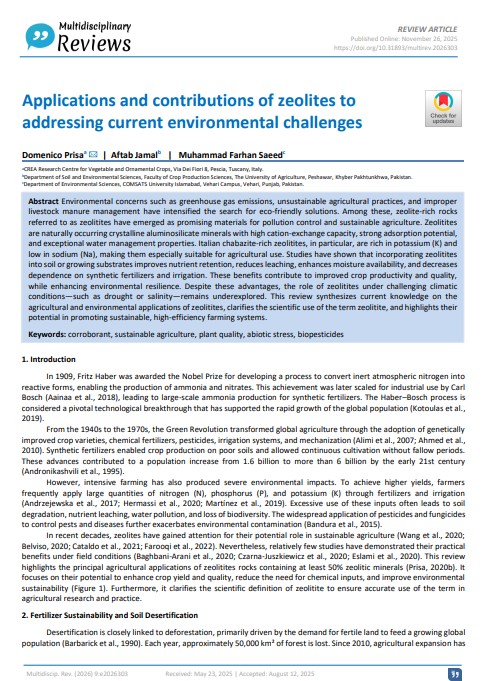
Environmental concerns such as greenhouse gas emissions, unsustainable agricultural practices, and improper livestock manure management have intensified the search for eco-friendly solutions. Among these, zeolite-rich rocks referred to as zeolitites have emerged as promising materials for pollution control and sustainable agriculture. Zeolitites are naturally occurring crystalline aluminosilicate minerals with high cation-exchange capacity, strong adsorption potential, and exceptional water management properties. Italian chabazite-rich zeolitites, in particular, are rich in potassium (K) and low in sodium (Na), making them especially suitable for agricultural use. Studies have shown that incorporating zeolitites into soil or growing substrates improves nutrient retention, reduces leaching, enhances moisture availability, and decreases dependence on synthetic fertilizers and irrigation. These benefits contribute to improved crop productivity and quality, while enhancing environmental resilience. Despite these advantages, the role of zeolitites under challenging climatic conditions—such as drought or salinity—remains underexplored. This review synthesizes current knowledge on the agricultural and environmental applications of zeolitites, clarifies the scientific use of the term zeolitite, and highlights their potential in promoting sustainable, high-efficiency farming systems.
Il mio ultimo articolo: USE OF A BIOSTIMULANT BASED ON INULA AND CHABAZITIC ZEOLITITE ON POTTED OLIVE TREES (Olea europaea): A SCIENTIFIC STUDY

Vol. 13 Issue. 11 (November-2025) EPRA International Journal of Agriculture and Rural Economic Research (ARER) Ringrazio per la collaborazione Francesco Attanasio e Antonio Oliveri di zeolite italia DOI: https://doi.org/10.36713/epra24899 Abstract The present study evaluated the effects of a biostimulant formulation based on Inula viscosa, beneficial microorganisms, and algae (INORT), in combination with chabazitic zeolitite (ZEO), … Continua a leggere Il mio ultimo articolo: USE OF A BIOSTIMULANT BASED ON INULA AND CHABAZITIC ZEOLITITE ON POTTED OLIVE TREES (Olea europaea): A SCIENTIFIC STUDY
Microrganismi effettivi per la cura del suolo – Intervista dr. Domenico Prisa

Parlando di microrganismi e di tutte le tecniche per la salvaguardia del suolo e delle piante Il Dott. Domenico Prisa è primo ricercatore del Crea dove si occupa di ricerca e sviluppo di protocolli per la rigenerazione del suolo. I suoi studi spaziano dai microrganismi effettivi, alle zeoliti, dall'elettro coltura alla cura delle api. Ha … Continua a leggere Microrganismi effettivi per la cura del suolo – Intervista dr. Domenico Prisa
Libro: Frutta e verdura di stagione – Conoscere e saper scegliere per la salute, l’ambiente e la spesa di ogni giorno

A cura di Andrea Battiata e Marina Clauser Ringrazio Andrea e Marina per avermi coinvolto nel progetto come autore dei capitoli: L’AGRICOLTURA MICROBIOLOGICA PER LA SALUTE DEL SUOLO E DEL CIBO LE PIANTE GRASSE: BELLE DA VEDERE E BUONE DA MANGIARE Potete scaricare gratuitamente l'intero libro a questo Link: https://www.nuovedirezioni.it/dettagli_libri.asp?titolo=Frutta_e_verdura_di_stagione&autore=Andrea_Battiata_-_-_Marina_Clauser_&anno=2026&pagine=208&coperta=Frutta_e_verdura_di_stagione.jpg&file=Frutta_e_verdura_di_stagione.pdf
CREA Verde che non chiede acqua: succulente ecactus alla conquista delle città

Author: Dr. Domenico Prisa Link: https://www.aboutplants.eu/notizie/coltivazione/CREA-Verde-che-non-chiede-acqua--succulente-e-cactus-alla-conquista-delle-citta Le città del XXI secolo vivono una contraddizione evidente: vogliono essere più verdi, ma l’acqua diventa ogni anno una risorsa più preziosa e incerta. Le estati si allungano, le piogge si concentrano in brevi rovesci torrenziali, i suoli urbani si scaldano e si induriscono, e i prati, simbolo del … Continua a leggere CREA Verde che non chiede acqua: succulente ecactus alla conquista delle città
Pubblicazione Scopus: Achillea millefolium L.: A comprehensive review of its phytochemistry and pharmacological properties
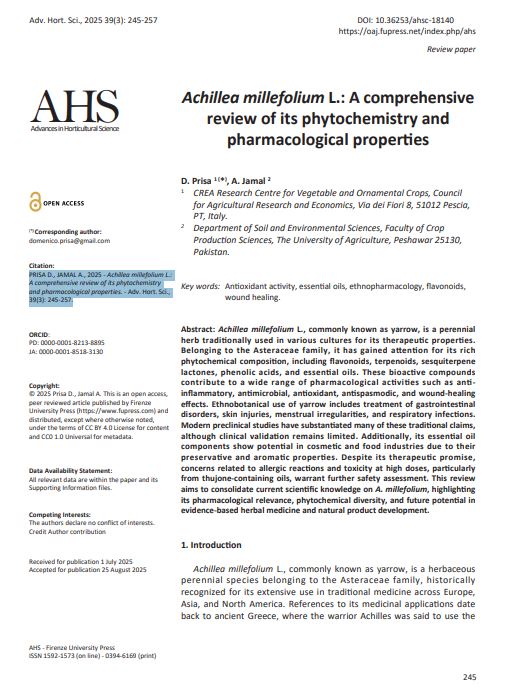
Achillea millefolium L., commonly known as yarrow, is a perennial herb traditionally used in various cultures for its therapeutic properties. Belonging to the Asteraceae family, it has gained attention for its rich phytochemical composition, including flavonoids, terpenoids, sesquiterpene lactones, phenolic acids, and essential oils. These bioactive compounds contribute to a wide range of pharmacological activities such as antiinflammatory, antimicrobial, antioxidant, antispasmodic, and woundhealing effects. Ethnobotanical use of yarrow includes treatment of gastrointestinal disorders, skin injuries, menstrual irregularities, and respiratory infections. Modern preclinical studies have substantiated many of these traditional claims, although clinical validation remains limited. Additionally, its essential oil components show potential in cosmetic and food industries due to their preservative and aromatic properties. Despite its therapeutic promise, concerns related to allergic reactions and toxicity at high doses, particularly from thujonecontaining oils, warrant further safety assessment. This review aims to consolidate current scientific knowledge on A. millefolium, highlighting its pharmacological relevance, phytochemical diversity, and future potential in evidencebased herbal medicine and natural product development.
Pubblicazione: ACOUSTIC MODULATION OF GERMINATION, GROWTH, AND SECONDARY METHANOLITH FORMATION IN Kalanchoe pinnata

This study examined the physiological and biochemical effects of pulsed acoustic stimulation on Kalanchoe pinnata (Crassulaceae) under controlled environmental conditions. The objective was to determine whether sinusoidal sound waves could influence seed germination, vegetative growth, and the accumulation of methanol-extractable secondary metabolites, referred to here as secondary methanoliths. The experiment was conducted in a 40 × 20 cm mini greenhouse maintained at 25 ± 2 °C, 60–70% relative humidity, and a 12 h light/12 h dark cycle. A Raspberry Pi minicomputer running Pure Data software generated sinusoidal waves in the 3–5 kHz range, amplitude-modulated at 615 Hz, and delivered for one hour daily (06:00–07:00) at 85 ± 5 dB. Quantitative assessment revealed that acoustic stimulation significantly enhanced germination, with 92% of seeds showing radicle emergence after seven days compared with 80% in controls. Vegetative parameters also improved: stem elongation increased by 16%, leaf number by 12%, and total fresh biomass by nearly 15%. High-performance liquid chromatography coupled with mass spectrometry (HPLC–MS) analysis showed a 33% rise in methanol-extractable secondary metabolites, particularly bufadienolides and flavonoid derivatives. Morphological observations confirmed that treated plants exhibited more vigorous and uniform development without signs of mechanical stress or deformation. These results demonstrate that precisely modulated high-frequency sound acts as a beneficial physical stimulus capable of enhancing both primary and secondary metabolism in K. pinnata. The combined effects on germination, growth, and metabolite production suggest activation of mechanosensitive signaling pathways, possibly involving calcium influx and jasmonate-related responses. This work supports the concept that acoustic energy can be harnessed as a sustainable, non-chemical strategy to optimize the productivity and phytochemical potential of medicinal and ornamental plants.
Plant growth and fruits production improvement using electroculture on Mammillaria oteroi, Mammillaria schiedeana and Mammillaria collinsii
Scopus scientific article Multidisciplinary Science Journal Research Article | Vol. 8 Issue 4 (2026), e2026256 | Published in 24 September 2025 Authors: Domenico Prisa and Aftab Jamalhttps://10.31893/multiscience.2026256 Abstract This study investigated the effects of electroculture on vegetative and root development, reproductive performance (flower and fruit production), and resistance to phytopathogens in three Mammillaria species: Mammillaria … Continua a leggere Plant growth and fruits production improvement using electroculture on Mammillaria oteroi, Mammillaria schiedeana and Mammillaria collinsii
EFFECT OF CHABAZITIC ZEOLITE APPLICATION ON GROWTH AND YIELD OF STRAWBERRY (Fragaria × ananassa) UNDER CONTROLLED CONDITIONS

Scientific research article Vol. 10 Issue. 9 (September-2025) EPRA International Journal of Research & Development (IJRD) Domenico Prisa, Martino Campanile DOI: https://doi.org/10.36713/epra24085 AbstractThis study investigates the use of chabazitic zeolite as a soil amendment to enhance the growth and yield of Fragaria × ananassa (strawberry). Recognized for its high cation-exchange capacity and excellent water retention … Continua a leggere EFFECT OF CHABAZITIC ZEOLITE APPLICATION ON GROWTH AND YIELD OF STRAWBERRY (Fragaria × ananassa) UNDER CONTROLLED CONDITIONS
BIOSTIMULANT OBTAINED FROM SEAWATER IN THE CULTIVATION OF CHINESE VEGETABLE Plants

Research article Vol. 13 Issue. 9 (September-2025) EPRA International Journal of Agriculture and Rural Economic Research (ARER) Authors: Domenico Prisa, Nicola Ghelardi DOI: https://doi.org/10.36713/epra24074 AbstractThis study evaluated FertilTomix, a product derived from an innovative seawater extraction process, for its effects on the germination and growth of Pak choi, Tatsoi, and Mizuna. Additionally, its potential to … Continua a leggere BIOSTIMULANT OBTAINED FROM SEAWATER IN THE CULTIVATION OF CHINESE VEGETABLE Plants
APPLICATION OF INNOVATIVE MICROORGANISMS IN OLIVE TREE (Olea europaea L.) CULTIVATION AND PROTECTION UNDER CONTROLLED CONDITIONS

Research article Vol. 11 Issue. 9 (September-2025) EPRA International Journal of Multidisciplinary Research (IJMR) DOI: https://doi.org/10.36713/epra24072 Authors: Domenico Prisa, Arianna Covino AbstractThe olive tree (Olea europaea L.) is a key crop in Mediterranean and arid regions, valued for its cultural and economic importance and its natural resilience to harsh conditions. However, its cultivation is increasingly … Continua a leggere APPLICATION OF INNOVATIVE MICROORGANISMS IN OLIVE TREE (Olea europaea L.) CULTIVATION AND PROTECTION UNDER CONTROLLED CONDITIONS
Low-impact strategies for sustainable nematode control in agriculture

Research into environmentally friendly methods for controlling nematodes in agricultural crops has gained significant momentum in recent years. This growing interest reflects a broader shift toward more ecologically responsible agricultural practices—ones that prioritize natural biological mechanisms, preserve soil fertility, and protect biodiversity. Increasing consumer demand for high-quality, chemical-free produce has further accelerated this transition. Among the many pests affecting crop production, phytoparasitic nematodes are some of the most destructive, particularly in vegetable crops, where they are responsible for substantial yield losses each year. Traditionally, synthetic pesticides have been the primary means of managing nematode infestations. However, their widespread use has led to considerable environmental concerns, including soil degradation, groundwater contamination, and harm to non-target organisms. Moreover, the effectiveness of many synthetic compounds diminishes over time due to soil interactions and the emergence of resistant nematode populations. Regulatory restrictions on soil fumigants—some of the few chemicals capable of penetrating deep into the soil—have also prompted the search for safer alternatives. As a result, research has increasingly focused on sustainable control strategies that integrate agronomic, biological, and natural solutions. Plant-based products, in particular, have shown considerable promise. These natural compounds exhibit strong nematicidal properties while maintaining a low environmental footprint. Their limited persistence in soil and low toxicity to humans, animals, and non-target plant species make them ideal candidates for sustainable pest management. Furthermore, the complex chemical makeup of plant-derived nematicides—often composed of multiple active ingredients—reduces the likelihood of nematodes developing resistance, a common issue with repeated synthetic pesticide applications. Numerous studies support the efficacy of these botanical alternatives. By preserving soil health and enhancing plant resilience, such approaches contribute not only to pest control but also to long-term agricultural sustainability and productivity.
Applications of inoculants to treat drought stress in plants

Review Article | Vol. 9 Issue 4 (2026), e2026151 | Published in 09 September 2025 Applications of inoculants to treat drought stress in plants Domenico Prisa Aftab Jamal Link: https://10.31893/multirev.2026151 AbstractAll climatic factors, including temperature, rainfall, humidity, wind, and solar radiation, significantly influence agricultural activities. These environmental conditions determine the types of crops that can be grown, … Continua a leggere Applications of inoculants to treat drought stress in plants
Comparative Evaluation of Marine Algae-Based Biostimulants for Enhancing Growth, Physiological Performance, and Essential Oil Yield in Lavender (Lavandula angustifolia) Under Greenhouse Conditions

Scopus article Spagnuolo, D.; Jamal, A.; Prisa, D. Comparative Evaluation of Marine Algae-Based Biostimulants for Enhancing Growth, Physiological Performance, and Essential Oil Yield in Lavender (Lavandula angustifolia) Under Greenhouse Conditions. Phycology 2025, 5, 41. https://doi.org/10.3390/phycology5030041 Abstract The application of marine algae-derived biostimulants offers a sustainable approach to improving plant performance in aromatic and medicinal crops. This study investigated … Continua a leggere Comparative Evaluation of Marine Algae-Based Biostimulants for Enhancing Growth, Physiological Performance, and Essential Oil Yield in Lavender (Lavandula angustifolia) Under Greenhouse Conditions
Hydroxyapatite pretreatment alleviates methylene blue phytotoxicity in wheat (Triticum aestivum L.) seedlings

Scopus article Authors: Assia Ouzani,Hamida Maachou,Nabil Touzout,Hamza Moussa,Yamina Zouambia,Mahfoud Ainas,Adil Mihoub,Domenico Prisa,Jakub Černý,Yaser Hassan Dewir &Aftab Jamal Abstract Methylene blue (MB) contamination in agricultural systems, primarily from industrial wastewater, disrupts plant physiology by interfering with photosynthesis, inhibiting root nutrient uptake, and altering microbial dynamics. This leads to oxidative stress, nutrient imbalances, and stunted growth, reducing crop … Continua a leggere Hydroxyapatite pretreatment alleviates methylene blue phytotoxicity in wheat (Triticum aestivum L.) seedlings
 TECNICHE INNOVATIVE PER LA COLTIVAZIONE E DIFESA DELLE PIANTE, L'APICOLTURA, LA ZOOTECNIA E IL RISANAMENTO AMBIENTALE
